

Why Is Blood Pressure Important in a DOT Medical Exam?
Monitoring blood pressure during a DOT medical exam is crucial for ensuring driver safety and compliance with federal regulations. Elevated or uncontrolled blood pressure can increase the risk of cardiovascular events, impacting a driver’s ability to operate a commercial vehicle safely. At Reliable MD, Dr. Carlos Levy and the team provide thorough assessments to ensure drivers meet all DOT requirements while supporting overall cardiovascular health. For more information, please contact us or schedule an appointment online. We are conveniently located at 2801 Fruitville Rd Unit 140, Sarasota, FL 34237.
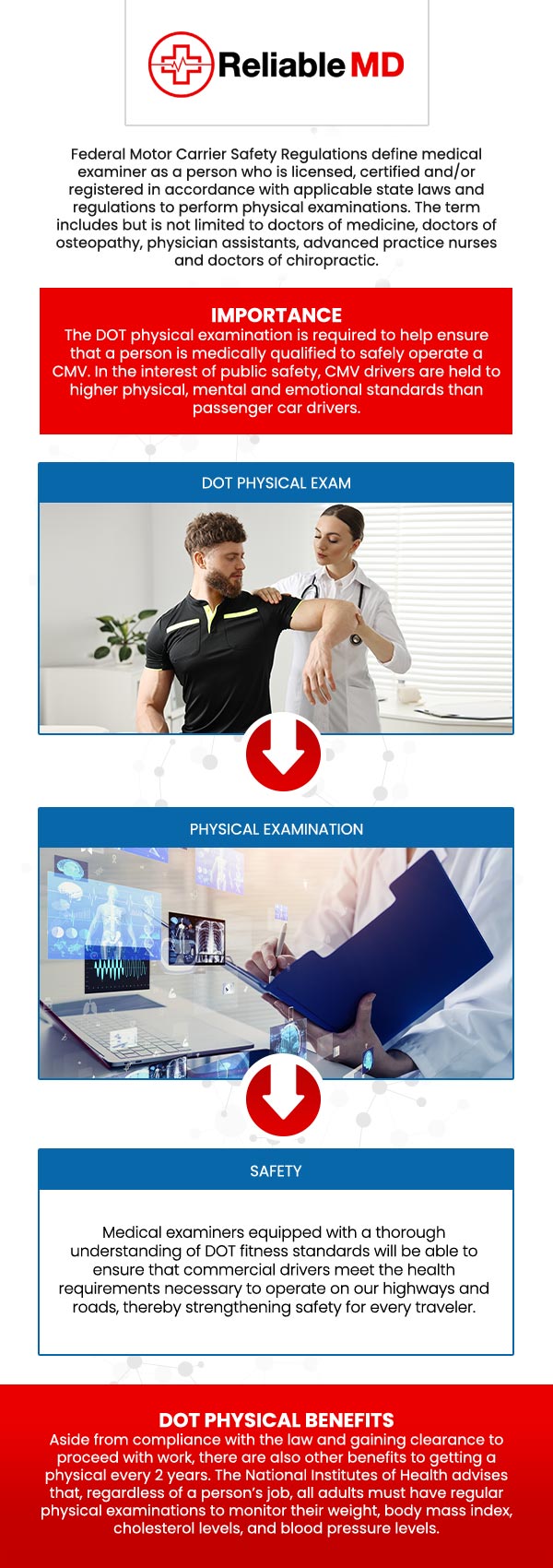
Table of Contents:
What blood pressure ranges are acceptable for a DOT physical?
How do DOT doctors measure blood pressure during the exam?
What can I do to manage blood pressure before a DOT physical?
Can lifestyle changes improve blood pressure results for DOT certification?
What makes Dr. Carlos Levy at Reliable MD the right choice for blood pressure evaluation in a DOT medical exam?
At Reliable MD, we understand how crucial Department of Transportation (DOT) physicals are for commercial drivers. One of the most important factors assessed during your DOT exam is blood pressure, as it directly impacts your medical qualification to safely operate a commercial vehicle.
During a DOT physical, maintaining safe blood pressure levels is critical for driver health and regulatory compliance. The acceptable ranges are generally categorized as follows:
Normal / Acceptable:
• Systolic (top number): ≤140 mmHg
• Diastolic (bottom number): ≤90 mmHg
• Blood pressure within this range is generally considered safe for commercial drivers, indicating that the heart and blood vessels are functioning well and that there is minimal risk of cardiovascular events while driving.
Borderline / Requires Review:
• Systolic: 141–159 mmHg
• Diastolic: 91–99 mmHg
• Drivers with readings in this range may still be certified, but the examiner may request additional monitoring, lifestyle modifications, or documentation of blood pressure management. This ensures the driver remains safe on the road and meets federal DOT standards.
High / Potential Disqualification:
• Systolic: ≥160 mmHg
• Diastolic: ≥100 mmHg
• Blood pressure in this range is considered elevated and may pose a significant risk for heart attack, stroke, or other cardiovascular complications. Drivers may need treatment and follow-up documentation before certification is approved.
Additional Considerations:
• Blood pressure should be measured more than once during the DOT physical to confirm accuracy and consistency.
• Drivers already on hypertension medication can often be certified if blood pressure is controlled and documentation is provided.
At Reliable MD, our experienced medical professionals are here to support you—whether you need a routine DOT physical, help managing blood pressure, or guidance on meeting DOT requirements. We encourage regular monitoring and follow-up appointments to ensure you remain eligible to drive.
At Reliable MD, our certified medical examiners conduct thorough Department of Transportation (DOT) physicals to ensure commercial drivers meet essential safety standards. A key part of every DOT exam is measuring blood pressure to confirm it falls within the required guidelines for certification. Drivers are seated comfortably and given time to rest before the reading, helping ensure the most accurate results.
Our examiners use high-quality, calibrated equipment—either a manual sphygmomanometer or a reliable automated monitor—at heart level to take blood pressure readings. If an initial reading is elevated, the examiner allows time to relax and repeats the measurement, accounting for factors like recent activity or nerves that may temporarily raise blood pressure.
All results are carefully recorded in the DOT medical report. If readings exceed DOT thresholds, the team explains the next steps, such as follow-up visits or documentation of blood pressure management, so drivers can safely meet certification requirements. At Reliable MD, maintaining driver health and road safety is a top priority.
At Reliable MD, we understand how important your Department of Transportation (DOT) physical exam is for your career. One of the key components of this exam is your blood pressure reading. High blood pressure can impact your ability to receive or renew your medical certification, so it’s essential to prepare in advance. Here are some tips from the Reliable MD team to help you get ready:
• Monitor Your Blood Pressure Regularly:
Track your readings in the weeks leading up to your DOT exam to identify patterns and ensure they are within the safe range.
• Take Prescribed Medications Consistently:
If you are on blood pressure medication, follow your doctor’s instructions precisely and do not skip doses.
• Limit Salt and Processed Foods:
Reducing sodium intake can help prevent temporary spikes in blood pressure and support overall cardiovascular health.
• Stay Hydrated:
Drink plenty of water and avoid excessive caffeine or sugary beverages that can temporarily raise blood pressure.
• Engage in Light Exercise:
Moderate physical activity, like walking or stretching, can help lower blood pressure and improve circulation—but avoid strenuous exercise right before your exam.
• Reduce Stress and Relax Before the Exam:
Take deep breaths, practice mindfulness, or rest quietly for 10–15 minutes before your appointment to help lower readings affected by anxiety.
• Avoid Tobacco and Alcohol:
Smoking or drinking before your exam can elevate blood pressure temporarily and affect your results.
• Get Adequate Sleep:
A full night of rest helps regulate blood pressure and improves overall cardiovascular health.
• Follow a Healthy Diet:
Emphasize fruits, vegetables, lean proteins, and whole grains to support heart health and maintain stable blood pressure.
• Consult Your Healthcare Provider if Needed:
If your blood pressure remains elevated, seek guidance before your DOT physical to adjust lifestyle habits or medication safely.
By following these steps, you’ll be helping to ensure that your blood pressure is at its best when you come in for your DOT physical at Reliable MD. If you have any questions or concerns, our experienced providers are here to support you throughout the process. Your health, comfort, and successful completion of your DOT requirements are our top priorities.
Lifestyle changes can significantly improve blood pressure results, which is important for passing a DOT physical and maintaining overall cardiovascular health. Regular physical activity, such as walking, swimming, or light strength training, helps strengthen the heart and improve circulation. Reducing sodium intake, limiting processed foods, and incorporating more fruits, vegetables, and whole grains into your diet can also support healthy blood pressure levels.
Stress management plays a key role as well. Techniques like deep breathing, meditation, yoga, or even short breaks throughout the day can help lower temporary spikes in blood pressure caused by anxiety or nervousness. Avoiding tobacco products and moderating alcohol intake are additional lifestyle steps that can positively impact your readings. Consistency in these habits over time contributes to safer, more stable blood pressure results.
At Reliable MD, our team guides commercial drivers on how lifestyle changes can support DOT compliance and overall health. We provide recommendations, monitoring, and resources to help you achieve optimal blood pressure readings and complete your DOT physical.
Dr. Carlos Levy at Reliable MD brings extensive experience in conducting Department of Transportation (DOT) physical exams, with a focus on accurate and thorough blood pressure evaluations. He understands the critical role blood pressure plays in driver safety and DOT compliance, ensuring each measurement is precise and reflects the driver’s true cardiovascular health. Drivers benefit from Dr. Levy’s careful attention to detail and adherence to federal guidelines, giving them confidence in their DOT certification process.
In addition to his technical expertise, Dr. Levy emphasizes clear communication and patient education. He explains blood pressure results, provides guidance on management strategies if readings are elevated, and answers all questions regarding DOT requirements. At Reliable MD in Sarasota, FL, Dr. Carlos Levy combines professional skill with personalized care to help commercial drivers maintain both regulatory compliance and overall health.
For more information, please contact us or schedule an appointment online. We are conveniently located at 2801 Fruitville Rd Unit 140, Sarasota, FL 34237. We serve patients in Sarasota County on Fruitville Rd, which is close to Whitfield Ave, Bee Ridge Rd, Lockwood Ridge Rd, and beyond! We also provide telehealth services, serving the entire state of Florida.

Check Out Our 5 Star Reviews


Additional Services You May Need

Additional Services You May Need
- Annual Physical Exam
- Adult Medicine
- Allergy Management
- Boat Captains Physical Exam
- Chronic Care Management
- DOT Physicals
- EKG Testing
- Geriatric Doctor
- Health Monitoring
- Illness
- Immigration Physicals (USCIS)
- Immunizations Vaccinations
- Injury Assessment
- Lab Testing
- New Doctor Consult
- Physical Examinations
- Primary Care
- Travel Vaccinations
- Telehealth
- Thyroid Disorder Management
- Wellness Check


 Send Text
 How May I Help You?