

What Is the Ideal Blood Pressure for Passing a DOT Physical?
For a successful Department of Transportation (DOT) physical exam, maintaining a healthy blood pressure is crucial. At Reliable MD, Dr. Carlos Levy advises that the ideal blood pressure for passing a DOT physical is generally less than 140/90 mm Hg. If your blood pressure exceeds this threshold, you may be advised to manage it before retaking the exam. Our team recommends regular monitoring and lifestyle changes, such as a balanced diet, regular exercise, and stress management, to help maintain healthy blood pressure levels, ensuring you pass your DOT physical exam with ease. For more information, contact us or schedule an appointment online. We are conveniently located at 2801 Fruitville Rd Unit 140, Sarasota, FL 34237.
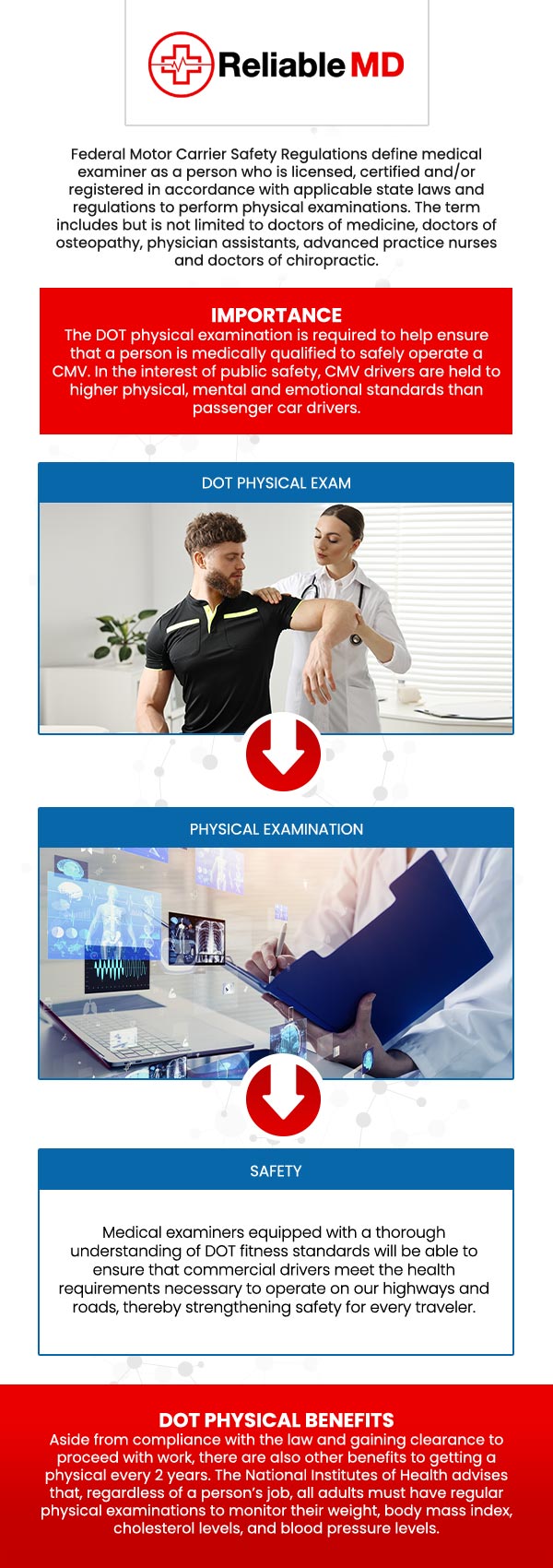
Table of Contents:
What is the blood pressure to pass a DOT test?
What blood pressure is too high to pass a physical?
How to get blood pressure down to pass a DOT physical?
How does blood pressure affect your ability to pass a DOT physical?
What Does Dr Carlos Levy Recommend as the Ideal Blood Pressure for Passing a DOT Physical?
At Reliable MD, we understand how important it is for commercial drivers to stay healthy and keep their careers on track. If you need a Department of Transportation (DOT) physical, one of the key health factors we evaluate is your blood pressure, following the guidelines set by the Federal Motor Carrier Safety Administration (FMCSA).
Blood Pressure Requirements for DOT Certification:
• 140/90 mm Hg or Lower: If your blood pressure is at or below this threshold, you can qualify for a full two-year medical certificate with no restrictions.
• 140/90–159/99 mm Hg: Readings in this range may still allow you to receive a one-year certification, provided there are no other disqualifying conditions.
• 160/100–179/109 mm Hg: If your blood pressure is in this range, you may be eligible for a temporary three-month certification. This gives you time to work with providers on treatment and lifestyle changes to bring your blood pressure under control.
• 180/110 mm Hg or Higher: Unfortunately, you will not qualify for DOT certification until your blood pressure is safely managed.
At Reliable MD, your health and safety come first. Our experienced team can help you monitor and manage your blood pressure, offering guidance on medication, diet, and lifestyle modifications if needed. By working together, we can help you maintain your certification and protect your long-term health on and off the road.
At Reliable MD, we understand that passing a physical exam is often necessary for employment, school, or specialized licenses, such as commercial driving certifications. One of the key factors we assess during your physical is your blood pressure.
Here’s what you need to know:
Blood Pressure Guidelines
• Normal blood pressure: Below 120/80 mmHg
• Elevated blood pressure: 120-129/80 mmHg
• High blood pressure (Hypertension) Stage 1: 130-139/80-89 mmHg
• High blood pressure (Hypertension) Stage 2: 140/90 mmHg or higher
Specific Physical Exam Standards
Department of Transportation (DOT) Physicals
• The DOT requires blood pressure to be below 140/90 mmHg for a two-year certification.
• If your reading falls between 140/90 mmHg and 159/99 mmHg, you may still be eligible for a one-year certification, with the expectation that you address your blood pressure and return for more frequent monitoring.
• Readings at 160/100 mmHg or higher will result in a failed physical or temporary disqualification until your blood pressure is controlled.
What Happens if Your Blood Pressure Is Elevated?
• Single elevated reading: If your blood pressure is temporarily high due to stress, anxiety, or pain, it does not automatically mean you have hypertension or will fail your physical.
• Multiple readings: It’s common to take multiple blood pressure readings during your visit. In some cases, you may be asked to monitor your blood pressure at home and return for a repeat measurement before a final decision is made.
What to Expect at Reliable MD
• If your blood pressure consistently reads above 140/90 mmHg, we will recommend further evaluation to manage and control it.
• Readings above 160/100 mmHg typically require additional treatment and control before passing your physical.
At Reliable MD, we understand that preparing for a Department of Transportation (DOT) physical can be stressful—especially if you’re concerned about your blood pressure. Our team is here to help you meet the DOT requirements and support your overall health.
DOT Blood Pressure Requirements
To pass your DOT physical, your blood pressure should generally be below 140/90 mmHg. If your readings are higher, don’t worry—there are steps you can take both before your exam and in your everyday routine to help manage your numbers.
Tips for the Day of Your DOT Physical:
• Skip the Caffeine: Avoid coffee, tea, energy drinks, and sodas before your appointment, as these can temporarily raise your blood pressure.
• No Tobacco: Refrain from smoking or using tobacco products for at least 30 minutes before your visit.
• Arrive Early and Relax: Give yourself time to relax in our comfortable waiting area. Practice deep breathing or relaxation techniques to help lower any anxiety.
• Empty Your Bladder: A full bladder can increase your blood pressure reading. Be sure to use the restroom before your measurement.
• Proper Positioning: When your blood pressure is taken, sit quietly for at least five minutes, keep your feet flat on the floor, and rest your arm at heart level.
Lifestyle Tips Leading Up to Your Exam:
• Eat Smart: Choose foods low in sodium and rich in fruits, vegetables, whole grains, and lean proteins.
• Stay Active: Regular physical activity, such as walking or cycling, can help lower your blood pressure.
• Watch Your Weight: Even modest weight loss can have a positive effect on your numbers.
• Limit Alcohol: Excessive drinking can contribute to high blood pressure.
• Medication Matters: If you’re on blood pressure medication, take it exactly as prescribed and do not skip doses—especially on the day of your DOT exam. Bring a list of your medications to your appointment; our providers will review it with you.
Your Partner in Health
If you have chronic hypertension or other health concerns, Reliable MD is committed to working with you long-term. Our healthcare providers can help you develop a sustainable plan for managing your blood pressure—not just for your DOT physical, but for lasting cardiovascular health. Our team is here to guide you every step of the way and ensure you feel confident and prepared.
At Reliable MD, we understand how important it is for commercial drivers to stay healthy and compliant with Department of Transportation (DOT) regulations. One of the most critical factors we assess during your DOT physical is your blood pressure.
Why Blood Pressure Matters for Your DOT Physical
Blood pressure plays a crucial role in determining your ability to safely operate a commercial motor vehicle. Uncontrolled or severely elevated blood pressure increases the risk of sudden medical events, such as heart attacks or strokes, which could endanger you and others on the road. That’s why DOT physicals, performed here at Reliable MD, always include a thorough blood pressure screening.
To pass your DOT physical, your blood pressure must fall within specific ranges:
• Below 140/90 mm Hg: You’re eligible for a two-year certification.
• Between 140/90 and 159/99 mm Hg: You can still be certified, usually for one year, but ongoing monitoring and management will be needed.
• Between 160/100 and 179/109 mm Hg: Typically results in a temporary, three-month certification, giving you time to work with our healthcare providers to lower your blood pressure.
• 180/110 mm Hg or higher: You will not be certified until your blood pressure is brought under control.
Managing High Blood Pressure with Reliable MD
If you have high blood pressure (hypertension), our skilled team at Reliable MD will work with you to develop a personalized treatment plan. Unmanaged hypertension can lead to complications like vision problems, cognitive impairment, and cardiovascular issues, which can compromise your ability to drive safely. If you are taking medication, it’s important to follow your prescribed plan and let our medical examiners know, as well-controlled blood pressure with medication is generally acceptable for certification.
Regular monitoring and effective management of your blood pressure are essential—not just for passing your DOT physical, but for your long-term health and safety on the road. Reliable MD is here to support you every step of the way, helping you meet DOT requirements and maintain your commercial driver’s license.
Regular monitoring and effective management of your blood pressure are essential—not just for passing your DOT physical, but for your long-term health and safety on the road. Reliable MD is here to support you every step of the way, helping you meet DOT requirements and maintain your commercial driver’s license.
If a patient’s blood pressure exceeds the recommended level, Dr. Levy often advises lifestyle modifications, including changes in diet, regular exercise, and stress management, to help lower it. In some cases, medication may be prescribed to assist in managing hypertension. However, individuals with high blood pressure may still qualify for a DOT physical if their condition is well-managed, as long as they provide documentation of their treatment plan and maintain stable readings over time.
For more information, contact us or schedule an appointment online. We are conveniently located at 2801 Fruitville Rd Unit 140, Sarasota, FL 34237. We serve patients in Sarasota County on Fruitville Rd, which is close to Whitfield Ave, Bee Ridge Rd, Lockwood Ridge Rd, and beyond! We also provide telehealth services, serving the entire state of Florida.

Check Out Our 5 Star Reviews


Additional Services You May Need

Additional Services You May Need
- Annual Physical Exam
- Adult Medicine
- Allergy Management
- Boat Captains Physical Exam
- Chronic Care Management
- DOT Physicals
- EKG Testing
- Geriatric Doctor
- Health Monitoring
- Illness
- Immigration Physicals (USCIS)
- Immunizations Vaccinations
- Injury Assessment
- Lab Testing
- New Doctor Consult
- Physical Examinations
- Primary Care
- Travel Vaccinations
- Telehealth
- Thyroid Disorder Management
- Wellness Check


 Send Text
 How May I Help You?