

What Are the 10 Most Effective Ways to Prevent Dehydration?
Dehydration is a serious condition that can lead to various health issues, particularly when left untreated. At Reliable MD, Dr. Carlos Levy emphasizes the 10 most effective ways to prevent dehydration, including drinking plenty of water, consuming hydrating foods like fruits and vegetables, limiting caffeine and alcohol intake, and adjusting fluid intake based on activity level and weather conditions. For more information, please contact us or schedule an appointment online. We are conveniently located at 2801 Fruitville Rd Unit 140, Sarasota, FL 34237.
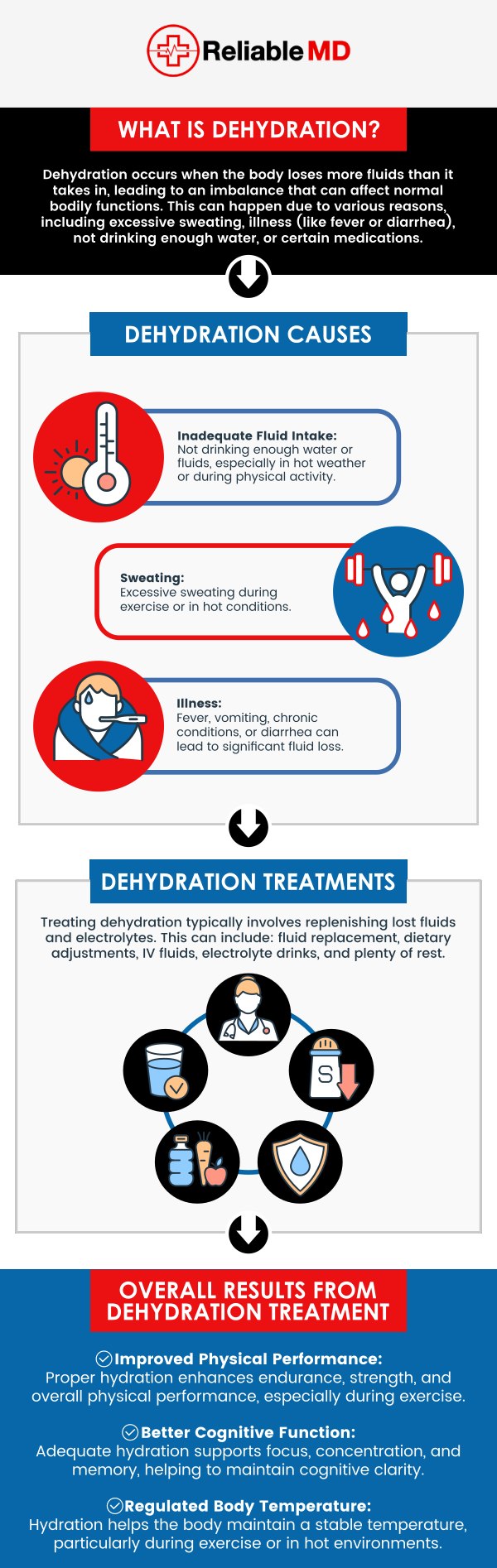
Table of Contents:
What are the symptoms of severe dehydration?
How can dehydration affect my health?
What is the fastest way to fix dehydration?
What are the 10 best strategies to prevent dehydration?
How does Dr Carlos Levy recommend preventing dehydration in daily life?
At Reliable MD, your health and safety are our top priorities. Severe dehydration is a serious medical condition that occurs when your body loses more fluids than it takes in, and it can lead to significant health complications if not addressed promptly. Severe dehydration occurs when the body loses an excessive amount of fluids and is unable to replace them, leading to serious health risks. It can result from various factors, including vomiting, diarrhea, excessive sweating, or inadequate fluid intake.
Symptoms of severe dehydration include:
• Extreme Thirst: A strong, persistent feeling of needing water, which is often unrelieved by drinking small amounts.
• Dry Mouth and Skin: The mouth may feel dry, and the skin may become less elastic, showing signs of dryness or cracking.
• Rapid Heartbeat or Breathing: Dehydration can lead to a faster heartbeat and shallow, rapid breathing due to decreased blood volume.
• Dizziness or Lightheadedness: As fluid levels drop, blood pressure may fall, leading to dizziness or the feeling of fainting.
• Confusion or Irritability: Severe dehydration can affect cognitive function, resulting in confusion, irritability, or difficulty concentrating.
• Dark Urine or Decreased Urination: Urine may become very dark in color, or the individual may experience little to no urination at all.
• Sunken Eyes: The eyes may appear sunken and dark, signaling a lack of hydration in the body.
• Cold, Clammy Skin: Skin may feel cool and damp despite the absence of sweating.
• Weakness or Fatigue: A lack of fluid can cause the body to feel weak, lethargic, and excessively tired.
If someone is showing signs of severe dehydration, it is critical to seek medical attention immediately. Severe dehydration can lead to serious complications, including kidney failure, heatstroke, or shock, which may require emergency medical treatment. At Reliable MD, we are committed to providing the care and support you need to manage dehydration and other health conditions. Our team is equipped to assess your symptoms, provide rehydration treatments, and offer ongoing support to ensure you regain optimal health.
At Reliable MD, we understand that dehydration is a common yet often overlooked health issue that can have significant consequences for your well-being. Dehydration can significantly impact your health by disrupting the balance of fluids and electrolytes in your body. When you’re dehydrated, your body doesn’t have enough water to perform essential functions like regulating temperature, transporting nutrients, and removing waste. This can lead to symptoms like fatigue, dizziness, and confusion. Over time, dehydration can also impair kidney function, increase the risk of kidney stones, and cause urinary tract infections (UTIs) due to the lack of fluid to flush out toxins.
In severe cases, dehydration can lead to more serious health complications such as heatstroke, organ failure, or even shock. This is because the body struggles to maintain normal blood pressure and circulation when there isn’t enough water to support proper blood volume. If left untreated, severe dehydration can be life-threatening, making it crucial to stay hydrated and seek medical help if you experience symptoms of dehydration.
If you’re experiencing symptoms of dehydration or have questions about your fluid intake, our team at Reliable MD is here to help. We can assess your hydration status, provide personalized recommendations, and offer treatment if necessary. Staying hydrated is a simple yet powerful way to protect your energy, cognitive function, and overall health—let us support you in making it a daily priority.
If you’re experiencing symptoms of dehydration or have questions about your fluid intake, our team at Reliable MD is here to help. We can assess your hydration status, provide personalized recommendations, and offer treatment if necessary. Staying hydrated is a simple yet powerful way to protect your energy, cognitive function, and overall health—let us support you in making it a daily priority.
• Drink Fluids Immediately: The quickest way to rehydrate is by drinking water. For mild dehydration, drinking small sips of water throughout the day is effective. If you’re severely dehydrated, consuming fluids in larger amounts is necessary.
• Electrolyte Solutions: If you’re dehydrated due to heavy sweating, diarrhea, or vomiting, it’s essential to replace lost electrolytes like sodium and potassium. Oral rehydration solutions (ORS), sports drinks, or electrolyte powders mixed with water can help restore these vital minerals quickly.
By replenishing fluids and electrolytes, you can prevent the complications of dehydration and restore proper hydration levels. If dehydration is severe, seeking medical attention is recommended for immediate treatment.
At Reliable MD, we believe that preventing dehydration is a simple but powerful way to protect your health—especially during the summer months, periods of intense activity, illness, or if you’re caring for children or older adults. Our team is here to support you and your family with practical advice to keep you feeling your best.
Top Hydration Tips from Reliable MD:
• Drink Regularly: Don’t wait until you’re thirsty. Sip water throughout the day to maintain a healthy fluid balance. Bring a water bottle with you to work, school, or outdoor events—especially in warm weather.
• Adjust for Activity & Weather: If you’re exercising or spending time outside in the heat, increase your fluid intake. Remember that sweating causes you to lose both water and essential minerals.
• Eat Hydrating Foods: Add more fruits and vegetables to your diet—watermelon, cucumbers, oranges, and strawberries are delicious ways to boost hydration.
• Limit Dehydrating Drinks: Be mindful of beverages like coffee, tea, and alcohol, which can increase fluid loss. If you choose these drinks, balance them with extra water.
• Replenish Electrolytes: After prolonged exercise or illness (like vomiting or diarrhea), consider electrolyte drinks or oral rehydration solutions to restore what your body has lost. Reliable MD can advise on the best options for your needs.
• Watch for Warning Signs: Monitor the color of your urine—pale yellow is a good sign of hydration. Signs like dry mouth, headache, or dizziness may mean it’s time to drink more water.
• Special Care for Vulnerable Groups: Children and older adults are at higher risk for dehydration. Encourage regular sips and watch for any changes in behavior or alertness.
• Plan Ahead: Whether you’re running errands or traveling, carrying water with you can help prevent dehydration before it starts.
If you or a loved one experiences symptoms of dehydration—such as extreme thirst, confusion, rapid heartbeat, or fainting—it’s important to address the issue promptly. Dehydration can lead to serious health complications if left untreated. In addition to these symptoms, dehydration can also cause dizziness, dry mouth, reduced urine output, and fatigue. At Reliable MD, our providers can help identify the underlying causes of dehydration and guide you through effective treatment options. Whether it’s through oral rehydration or more intensive medical care, we’re here to ensure you stay hydrated and healthy.
Dr. Carlos Levy at Reliable MD emphasizes the importance of staying hydrated throughout the day to maintain overall health and prevent dehydration. He recommends drinking water consistently throughout the day, even when you don’t feel thirsty, as thirst is often a late indicator of dehydration. In addition to plain water, consuming hydrating foods like fruits and vegetables—such as cucumbers, watermelon, and oranges—can help boost your fluid intake. Dr. Levy advises adjusting your fluid intake based on activity level and environmental conditions, especially during hot weather or while exercising, to replace fluids lost through sweat.
For those who struggle to drink enough water, Dr. Levy suggests carrying a water bottle and setting reminders to drink regularly. He also cautions against excessive caffeine and alcohol consumption, as these can lead to increased urine output and contribute to dehydration. Dr. Levy recommends using oral rehydration solutions when needed, especially if you’re feeling ill or losing fluids rapidly due to vomiting or diarrhea. By incorporating these simple habits into daily life, you can effectively maintain proper hydration and support your body’s overall function.
For more information, please contact us or schedule an appointment online. We are conveniently located at 2801 Fruitville Rd Unit 140, Sarasota, FL 34237. We serve patients in Sarasota County on Fruitville Rd, which is close to Whitfield Ave, Bee Ridge Rd, Lockwood Ridge Rd, and beyond! We also provide telehealth services, serving the entire state of Florida.

Check Out Our 5 Star Reviews


Additional Services You May Need



 Send Text
 How May I Help You?