

What are the Early Signs of Prediabetes?
Prediabetes often develops without noticeable symptoms, making routine screening especially important for people with known risk factors. When signs do appear, they may include increased thirst, frequent urination, fatigue, blurred vision, or other changes related to rising blood sugar levels. At Reliable MD, Dr.Carlos Levy, MD, evaluates individual risk factors and recommends appropriate testing to help identify prediabetes early. Early detection can provide an opportunity to make healthy lifestyle changes, improve blood sugar management, and reduce the likelihood of progressing to type 2 diabetes. For more information, please contact us or schedule an appointment online. We are conveniently located at 2801 Fruitville Rd Unit 140, Sarasota, FL 34237.
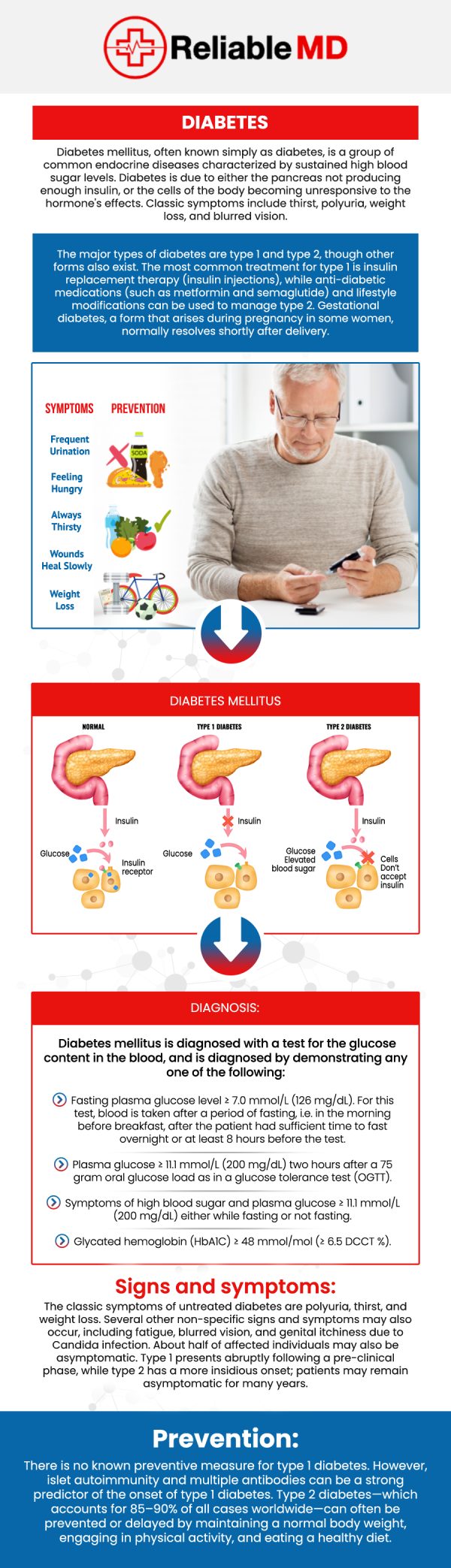
Table of Contents:
What is prediabetes, and how is it different from type 2 diabetes?
What are the most common early signs of prediabetes?
What risk factors increase the likelihood of developing prediabetes?
Can lifestyle changes help prevent prediabetes from progressing to type 2 diabetes?
How can Reliable MD help patients evaluate and manage early signs of prediabetes?
Prediabetes is a health condition in which blood glucose levels are higher than the normal range but have not reached the level used to diagnose type 2 diabetes. It often develops when the body becomes less responsive to insulin, making it harder for glucose to move efficiently from the bloodstream into the cells. Prediabetes is an important warning sign because it increases the likelihood of developing type 2 diabetes as well as other health concerns.
The main difference between prediabetes and type 2 diabetes is the degree of blood glucose elevation. With prediabetes, glucose levels are elevated but remain below the diagnostic threshold for diabetes. With type 2 diabetes, blood glucose remains high enough to meet established diagnostic criteria, generally because the body does not use insulin effectively and may eventually have difficulty producing enough insulin to maintain healthy glucose levels.
Identifying prediabetes gives individuals an opportunity to take action before blood glucose progresses into the diabetes range. Changes in nutrition, physical activity, weight management when appropriate, and other health habits may help improve glucose regulation and reduce future risk. At Reliable MD, we can evaluate individual risk factors, review appropriate blood glucose testing, and develop a personalized plan focused on supporting long-term metabolic health.
Prediabetes usually does not cause obvious symptoms, which is why many people may have it without realizing it. Rather than relying on physical warning signs, blood glucose testing is often necessary to identify the condition, particularly for people who have factors that place them at increased risk.
When blood glucose becomes increasingly elevated, some people may begin noticing symptoms commonly associated with diabetes. Possible signs can include:
• Increased thirst
• More frequent urination
• Increased hunger
• Unusual tiredness or fatigue
• Blurred vision
• Tingling or numbness in the hands or feet
• Cuts or sores that heal slowly
These symptoms are not specific to prediabetes and should not be used alone to determine whether someone has the condition.
Because prediabetes can remain silent for a long period, routine screening may be particularly valuable for individuals with known risk factors. Early identification provides an opportunity to address blood glucose levels before they progress further. At Reliable MD, our dedicated team can assess personal and family health history, determine when blood glucose testing may be appropriate, and help patients understand their results and next steps.
Prediabetes develops through a combination of metabolic, lifestyle, genetic, and health-related factors. The likelihood generally increases when the body becomes less sensitive to insulin or has greater difficulty maintaining glucose within a healthy range. Some risk factors can be modified through lifestyle changes, while others, such as age and family history, cannot be changed.
Common factors associated with an increased risk of prediabetes and type 2 diabetes include:
• Being overweight or having obesity
• Limited physical activity or a sedentary lifestyle
• Increasing age
• Having a parent or sibling with diabetes
• A history of gestational diabetes
• Certain health conditions associated with insulin resistance
• High blood pressure or abnormal cholesterol levels
• Belonging to certain racial or ethnic groups with higher population-level rates of type 2 diabetes
Having one or more risk factors does not necessarily mean that someone will develop diabetes, but it may indicate a greater need for appropriate screening and preventive care.
Understanding personal risk can help individuals make informed decisions about screening and lifestyle changes. Regular physical activity, nutritious food choices, weight management when needed, and management of other health conditions may help lower modifiable risk. At Reliable MD, our team evaluates each patient’s health history, lifestyle, and individual risk factors to determine appropriate screening and create a practical prevention strategy.
Yes. Lifestyle changes can significantly reduce the likelihood that prediabetes will progress to type 2 diabetes, and progression is not inevitable. Research supporting structured diabetes prevention programs has shown that changes involving nutrition, physical activity, and modest weight loss can substantially lower the risk of developing type 2 diabetes in people with prediabetes.
Helpful lifestyle strategies may include:
• Increasing regular physical activity
• Choosing vegetables, fruits, whole grains, lean proteins, and other nutrient-rich foods
• Limiting highly processed foods and excess added sugars
• Managing portion sizes and overall calorie intake when appropriate
• Losing a modest amount of weight when recommended
• Reducing prolonged periods of inactivity
• Developing sustainable sleep and stress-management habits
The most effective approach is generally one that can be maintained consistently rather than relying on short-term or restrictive changes.
Regular monitoring is also important because blood glucose levels and individual risk can change over time. A personalized prevention plan can help identify realistic goals and determine whether additional medical management should be considered. At Reliable MD, our team works with patients to develop individualized strategies for healthier eating, activity, weight management, and ongoing monitoring to help reduce the risk of progression from prediabetes to type 2 diabetes.
At Reliable MD, Dr.Carlos Levy can help patients evaluate possible early signs of prediabetes by reviewing their medical history, family history, lifestyle habits, and factors that may increase the risk of elevated blood sugar. Because prediabetes often develops without noticeable symptoms, appropriate blood glucose testing can play an important role in identifying changes early and determining whether additional monitoring is needed.
If testing indicates prediabetes, Reliable MD can support ongoing management through personalized primary and chronic care focused on improving long-term health. Our skilled team can help patients establish practical goals related to nutrition, physical activity, weight management when appropriate, and routine follow-up. Consistent lifestyle changes can significantly reduce the risk of progression to type 2 diabetes and support healthier blood sugar levels over time.
For more information, please contact us or schedule an appointment online. We are conveniently located at 2801 Fruitville Rd Unit 140, Sarasota, FL 34237. We serve patients in Sarasota County on Fruitville Rd, which is close to Whitfield Ave, Bee Ridge Rd, Lockwood Ridge Rd, and beyond! We also provide telehealth services, serving the entire state of Florida.

Check Out Our 5 Star Reviews


Additional Services You May Need

Additional Services You May Need
- Annual Physical Exam
- Adult Medicine
- Allergy Management
- Boat Captains Physical Exam
- Chronic Care Management
- DOT Physicals
- EKG Testing
- Geriatric Doctor
- Health Monitoring
- Illness
- Immigration Physicals (USCIS)
- Immunizations Vaccinations
- Injury Assessment
- Lab Testing
- New Doctor Consult
- Physical Examinations
- Primary Care
- Travel Vaccinations
- Telehealth
- Thyroid Disorder Management
- Wellness Check


 Send Text
 How May I Help You?